Emergency Dentist Solutions for Recurrent Severe Tooth Pain


Recurrent severe tooth pain is one of those problems people try to outlast until they cannot. They switch chewing sides, avoid cold water, take another dose of pain relief, and hope the flare passes by morning. Sometimes it does. Often it comes back sharper, longer, and less predictable. By the time many patients call an Emergency Dentist, they are no longer asking whether something is wrong. They are asking how fast the pain can stop.
That distinction matters. Tooth pain that keeps returning is rarely random. In practice, recurrent episodes usually point to a problem that has moved beyond simple sensitivity. The nerve inside the tooth may be inflamed or dying. A crack may be opening under pressure. An old filling may have failed. Gum infection, trapped food, grinding, and erupting wisdom teeth can all create a pattern of severe pain that seems to improve, then resurfaces with force.
What makes recurrent pain so deceptive is that short periods of relief can create false reassurance. A patient may have three terrible nights in one month, then a quiet week, then another flare after coffee, ice water, or biting into bread. That stop-start pattern does not mean the tooth is healing. Quite the opposite, it often means the disease process is advancing in cycles. Nerves react, pressure builds, drainage shifts, inflammation settles briefly, then returns.
An Emergency Dentist is trained to work inside that urgency. The goal is not just to hand over a prescription and send the patient home. The real task is to identify whether the pain is coming from the pulp, the supporting tissues, the bite, the gums, or even a neighboring tooth that is referring pain into the area. Once the source is clear, the emergency solution can be targeted, and that is where real relief begins.
Why recurring tooth pain deserves immediate attention
A single episode of sensitivity after ice cream is one thing. Repeated severe pain that wakes you up, interferes with eating, or radiates into the jaw or ear is something else entirely. The reason is simple: dental pain usually has a structural cause. Teeth do not become intensely painful for no reason, and that reason rarely disappears on its own.
I have seen this play out countless times in urgent care dental settings. A patient arrives saying, “It hurt badly last weekend, then went away, so I thought I was fine.” Two days later, the pain returned with swelling. On examination, the tooth that was “better” was actually infected. The nerve had moved from inflammation to necrosis, and pressure was building at the root tip. The temporary quiet period was not recovery. It was progression.
Severe recurrent pain can also disrupt more than comfort. People stop eating normally, sleep poorly, clench more from stress, and become irritable and exhausted. Blood pressure may rise. Diabetic patients often notice harder glucose control when infection and pain are present. Parents of young children sometimes underestimate how much a recurring dental problem affects school concentration and appetite. Adults working with the public often delay care because they cannot afford a visible facial swelling or a missed shift, yet that delay usually makes treatment more involved and more expensive.
What an Emergency Dentist is looking for
A good emergency visit is not a rushed glance and a painkiller. It is a focused diagnostic appointment under time pressure. The clinician wants to know the pattern of the pain, what triggers it, what stops it, whether heat makes it worse, whether cold lingers, whether biting causes a jolt, and whether the pain is spontaneous or only provoked. Small details matter.
If cold causes pain that lingers for 30 seconds or longer, the pulp may be irreversibly inflamed. If biting produces a sharp stab on release, a cracked tooth becomes more likely. If the gum is swollen and tender, with a bad taste or drainage, an abscess moves high on the list. If the patient points vaguely to the whole side of the face, the source may still be one tooth, but referred pain is muddying the picture.
X-rays are usually part of the emergency assessment, though they do not tell the whole story. Early cracks often do not show. Neither do all stages of pulp inflammation. That is why testing matters. Tapping the tooth, checking cold response, probing the gums, and evaluating the bite help distinguish whether the problem is nerve-based, infection-based, or mechanical.
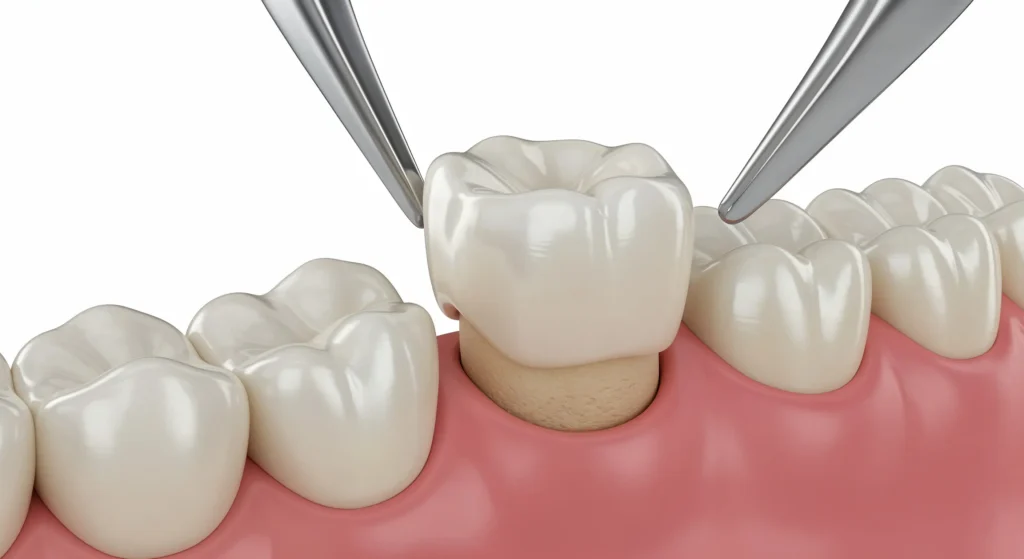
One of the most important judgments an Emergency Dentist makes is whether the pain can be stabilized the same day. In many cases, it can. Sometimes that means opening the tooth to relieve pressure. Sometimes it means draining an abscess, smoothing a fractured edge, adjusting a high bite, or placing a temporary sedative dressing. Sometimes the best emergency solution is extraction because the tooth is no longer restorable, and delaying removal would only prolong suffering.
The most common causes behind repeated severe pain
Recurrent pain does not always feel the same because the causes differ. Still, several patterns appear again and again in emergency practice.
Deep decay is one of the biggest culprits. As decay advances toward the pulp, pain often shifts from occasional sensitivity to spontaneous throbbing. Patients may first notice discomfort with sweets, then cold, then random attacks that seem out of proportion to the trigger. Once bacteria reach the pulp, root canal treatment or extraction typically becomes necessary.
Cracked teeth are another frequent source of severe, inconsistent pain. These are especially frustrating because the tooth may look nearly normal. The patient reports pain when chewing certain foods, perhaps granola, crusty bread, or meat, and then experiences lingering ache later. Cracks can be difficult to confirm early, but the pain pattern often gives them away.
Failing restorations also cause trouble. A large old filling can leak. A crown can loosen microscopically. Cement can wash out. Bacteria creep under a restoration, and recurrent decay develops where the patient cannot see it. Many people are surprised to learn that a tooth with a crown can still need emergency treatment years later.
Abscesses deserve special attention because they combine pain with infection. Not every abscess causes dramatic swelling at first. Some produce deep pressure, tenderness, a bad taste, or a small pimple on the gum that drains intermittently. When drainage opens, the pain may ease, then return when the tract closes again. That cycle often tricks people into waiting too long.
Wisdom teeth can also produce recurrent severe pain, especially when partially erupted. The gum flap around the tooth traps debris and bacteria. The area becomes inflamed, swollen, and hard to clean. Patients sometimes describe pain that feels like it is coming from the jaw joint or the ear, not the tooth itself.
When the problem has become an emergency
Not every toothache requires same-hour care, but certain features move recurrent pain into true urgent territory. If any of these are present, contacting an Emergency Dentist promptly is the safest move:
- Swelling in the face, gums, or jaw, especially if it is increasing
- Fever, chills, or feeling generally unwell along with tooth pain
- Trouble swallowing, opening the mouth, or breathing comfortably
- Severe pain that is no longer controlled by over-the-counter medication
- A broken tooth with exposed inner structure or bleeding that does not settle
These signs raise concern for active infection, spreading inflammation, or structural damage that will worsen without intervention. Even if the pain has briefly eased by the time of the appointment, the underlying problem can still be serious.
What emergency treatment can actually do on the day
Patients often assume a dental emergency visit is only an evaluation. In reality, same-day treatment is common when the source is clear and the situation allows it. The exact solution depends on the tooth, the diagnosis, the patient’s medical history, and whether long-term restoration is feasible.
If the pulp is acutely inflamed and the pain is intense, opening the tooth and beginning root canal therapy can provide major relief by removing the diseased tissue and releasing internal pressure. In some offices this is completed the same day. In others, the immediate objective is to calm the emergency, place medication inside the tooth, and schedule the remaining treatment shortly after.
If the tooth is fractured beyond predictable repair, extraction may be the most humane and efficient option. Patients sometimes struggle with this recommendation because they hoped to save the tooth at any cost. But there are times when repeated emergency visits, antibiotics, and temporary patches only delay an unavoidable removal. A straightforward, timely extraction can end a cycle of pain that has been dominating someone’s life for weeks.
For localized abscesses, drainage can make an immediate difference. Reducing pressure is often what changes a patient’s pain from unbearable to manageable. Antibiotics may be prescribed in selected cases, especially when swelling, systemic symptoms, or spread are present, but they are not a substitute for dental treatment. This point cannot be stressed enough. Antibiotics do not remove dead pulp tissue, close a crack, or repair decay. They may suppress symptoms briefly while the source remains.
Sometimes the emergency solution is more conservative. A lost filling can be replaced temporarily. A sharp fractured edge can be smoothed. A crown can be recemented if the tooth underneath is healthy. A high spot in the bite after recent dental work can be adjusted, which can transform a tender tooth within minutes. Not every severe pain ends in root canal treatment or extraction, but every severe https://rowanziwy114.swiftnestly.com/posts/how-an-emergency-dentist-can-prevent-tooth-extraction recurrent pain deserves an evaluation precise enough to separate the smaller fixes from the bigger ones.
Pain control before you are seen
There is a practical window between the moment pain escalates and the time you reach the dental chair. During that period, what you do matters. The right steps can reduce suffering and prevent the problem from becoming more irritated.
- Use over-the-counter pain medication only as directed on the label, unless your physician or dentist has told you otherwise
- Rinse gently with warm salt water to reduce debris and soothe inflamed tissue
- Avoid very hot, very cold, sugary, or hard foods that trigger the area
- Sleep with your head slightly elevated if throbbing worsens when lying flat
- Do not place aspirin directly on the gum or tooth, because it can burn the tissue
A cold compress on the outside of the face can help if swelling is present. What usually does not help for long is cycling through home remedies while the cause remains untreated. Clove oil, temporary filling material, and numbing gels may offer partial relief, but none of them solve infection inside a tooth or a crack running below the surface.
Why pain sometimes disappears right before things get worse
One of the stranger parts of dental pain is that a tooth can hurt fiercely, then quiet down just as the disease advances. Patients often interpret this as good news. Clinically, it can mean the opposite.
When the pulp is inflamed but still alive, the nerve can react dramatically to temperature and pressure. If that tissue later dies, the sharp hot-and-cold pain may lessen because the nerve is no longer functioning normally. Yet bacteria can continue moving through the root canal system and into the bone around the root. The next phase may be swelling, pain on biting, or abscess formation.
This is why a disappearing toothache should not be ignored if it was severe and recurrent. Quiet does not equal healthy. Sometimes it means the tooth has moved into a different and more dangerous stage.
The role of antibiotics, and their limits
Many patients come in asking for antibiotics because they remember feeling temporarily better after taking them for a previous dental problem. Antibiotics have a role, but it is a narrower one than most people think.
If there is diffuse swelling, fever, lymph node tenderness, cellulitis, or risk of spread, antibiotics can be important. They help control the bacterial burden in the surrounding tissues. But they do not sterilize a necrotic root canal, and they do not repair an infected tooth from the inside out. Once the medication stops, symptoms often return if the tooth itself has not been treated.
This distinction matters because overreliance on antibiotics delays definitive care. I have seen patients take multiple courses from urgent care centers over several months, only to arrive later with a larger infection and fewer options to save the tooth. The emergency solution that works best is source control. In dentistry, that means drainage, root canal treatment, extraction, or appropriate restorative repair.
How clinicians decide between saving the tooth and removing it
This is often the most important conversation in the room. A severely painful tooth may still be savable, but that does not automatically make saving it the best choice. Decision-making should take into account more than the immediate emergency.
A tooth with adequate remaining structure, healthy periodontal support, and a restorable crown margin may respond very well to root canal treatment followed by a proper restoration. On the other hand, a tooth split below the gumline, heavily decayed to the root, or surrounded by significant bone loss may have a poor long-term outlook even if pain can be reduced temporarily.
Cost, time, and predictability also matter. Saving a tooth can involve emergency care, root canal therapy, build-up, crown, and sometimes further specialist input. That path can be entirely worthwhile. It can also be the wrong path if the tooth has marginal prognosis from the start. A thoughtful Emergency Dentist will explain not just what can be done today, but what the next six to twelve months are likely to involve.
Recurrent pain after recent dental work
Severe pain can also recur after a filling, crown, root canal, or extraction. That does not always mean something was done incorrectly, but it does mean the tooth needs review.
After a deep filling, the pulp may remain irritated for days or even weeks. Mild sensitivity can settle. Escalating pain that keeps returning, especially spontaneous throbbing or night pain, suggests the pulp may not recover. A bite that is even slightly high after a new filling or crown can also cause marked tenderness when chewing. This is one of the easier fixes, but only if someone checks it promptly.
Pain after root canal treatment has its own nuances. Some soreness is expected. Severe swelling, increasing pain, or pain that never improved can indicate residual infection, missed anatomy, bite trauma, or in some cases a crack. The fact that a tooth has already had treatment does not make it immune from emergency problems.
Special considerations for children, older adults, and medically complex patients
Children often describe dental pain less precisely than adults. They may say their ear hurts, refuse food, wake at night, or become suddenly clingy. Recurrent severe pain in a child should be assessed quickly because dental infections can progress fast, and children dehydrate more easily when they stop drinking comfortably.
Older adults present different challenges. Root decay, dry mouth from medication, heavily restored teeth, and reduced pain response can blur the picture. A senior may report vague pressure rather than classic toothache, yet still have a serious infection. Mobility issues and transportation delays also make “watchful waiting” riskier.
Patients with diabetes, immune suppression, chemotherapy history, recent joint replacement guidance, anticoagulants, or heart conditions need especially careful planning. The emergency may be dental, but the management sits inside the patient’s broader medical reality. This is where professional judgment matters more than generic advice.
What to expect during the emergency appointment
The best emergency dental visits are efficient without feeling rushed. Expect questions first, then focused imaging and testing. The clinician should explain what they think is happening, what can be done that day, what cannot safely be done that day, and what follow-up is needed.
Sometimes patients are disappointed when the final restoration is not completed immediately. That is understandable, but emergency care has a distinct purpose: stabilize pain, control infection, protect the tooth or surrounding tissue, and set up the definitive treatment plan. If your dentist places a temporary medicated dressing or performs partial treatment to get you out of crisis, that is often the correct clinical move, not an incomplete one.
Ask plain questions. Is the tooth infected, cracked, or both? Is the nerve alive? Can it be saved predictably? What should improve in the next 24 to 48 hours, and what symptoms mean I should call back sooner? Good emergency care includes those answers.
Preventing the next recurrence
Once the immediate crisis passes, prevention should become practical, not abstract. Recurrent severe pain usually grows out of a problem that had warning signs earlier, perhaps a deep filling that was being monitored, a cracked cusp, neglected grinding, or a missed recall visit that allowed decay to deepen quietly.
The most effective prevention is targeted follow-through. If the emergency tooth needs a crown after root canal treatment, do not postpone it indefinitely. If nighttime grinding contributed to the fracture, address the clenching pattern and discuss a guard if appropriate. If food traps around a wisdom tooth have been causing repeated inflammation, a surgical consultation may spare you several future flare-ups.
There is also a behavioral piece that clinicians recognize quickly. Patients who only seek care when pain becomes intolerable often spend more, suffer more, and lose more teeth than those who address smaller signs early. Recurrent pain is the mouth’s way of proving that point.
A severe toothache that keeps returning is not a mystery to endure. It is a clinical signal. An Emergency Dentist can sort out whether the problem is nerve inflammation, infection, fracture, or restoration failure, then move quickly toward meaningful relief. The sooner that happens, the better the odds of simpler treatment, lower cost, and fewer nights spent waiting for pain medication to do what only definitive dental care can do.
Simple Dental South Gate
Address: 8617 California Ave, South Gate, CA 90280
Phone number: +13236896118
FAQ About Emergency Dentist Southgate CA
What can the ER do for a tooth?
The emergency room can provide temporary symptom relief for a bad tooth, such as prescribing pain medicine or antibiotics, but it cannot fix the actual dental problem.
What is the 3-3-3 rule for tooth infection?
The 3-3-3 rule for a toothache or infection typically means taking three 200 mg ibuprofen tablets (600 mg total) three times a day for no more than three days to control pain and swelling while waiting to see a dentist.
What do you do if you have a dental emergency but no dentist?
If you have a dental emergency and no regular dentist, you should search for an urgent care dental clinic, call local walk-in dental offices, or go to a hospital emergency room if you have severe bleeding, swelling, or trouble breathing.